

Share This Article
The Quelccaya Ice Cap is rarely discussed in mainstream travel narratives, yet it plays a crucial role in shaping how climate change, sustainability, and high-altitude tourism intersect in the Andes. Located in southern Peru, near Cusco, this vast tropical glacier has become a reference point not only for scientists, but also for policymakers, destination managers, and travelers seeking a deeper understanding of fragile natural environments.
Rather than being just another remote attraction, Quelccaya represents a turning point in how tourism engages with climate-sensitive landscapes. As global interest in responsible travel grows, the glacier offers valuable lessons on adaptation, conservation, and the future of mountain destinations.
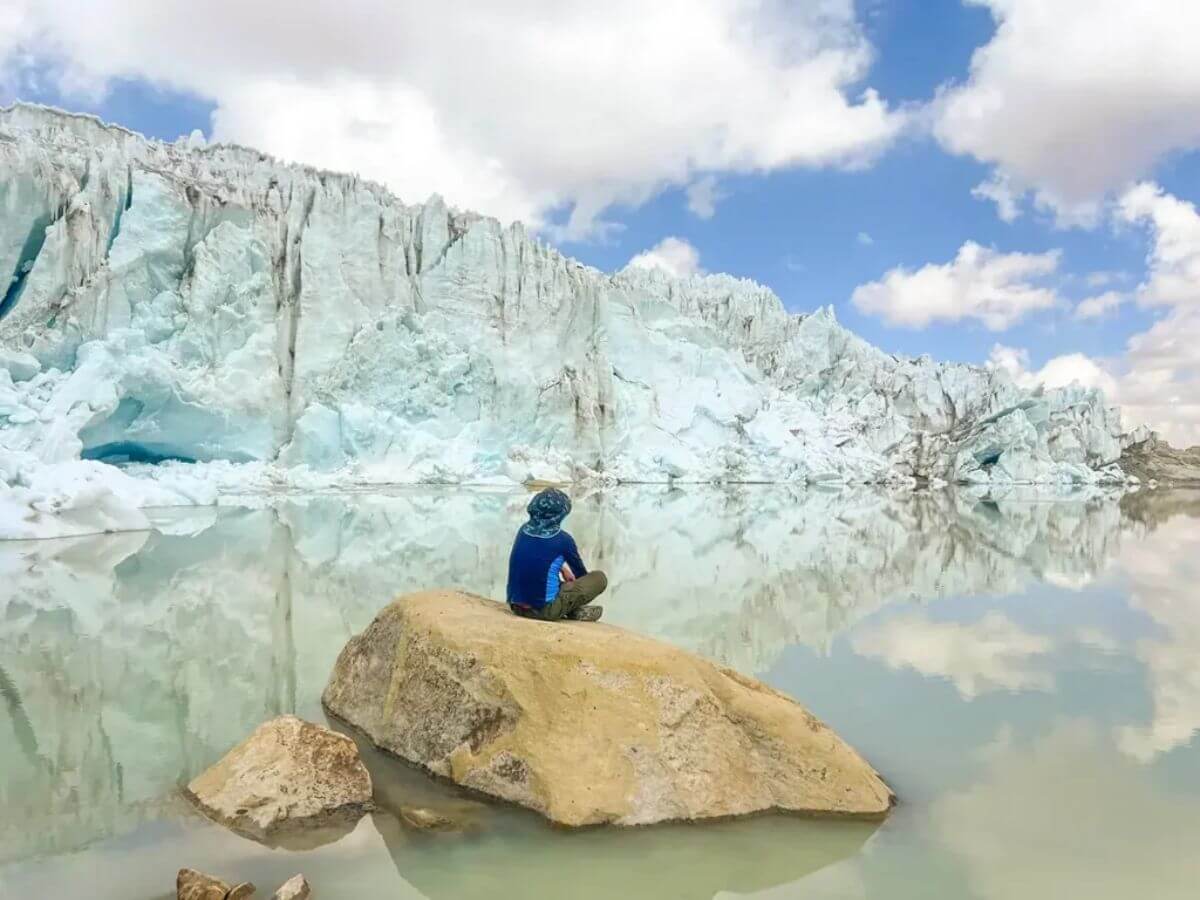
Quelccaya Ice Cap in Context: More Than a Glacier
Often referred to as Glaciar Quelccaya or Nevado Quelccaya, the ice cap sits within the Vilcanota range of the Peruvian Andes. What sets it apart is its classification as a tropical glacier, a type of ice formation found only at high elevations near the equator.
For decades, Quelccaya has attracted international research teams due to its size and climatic sensitivity. Today, it stands as the largest tropical ice cap on Earth, making it a strategic natural archive of environmental change in low-latitude regions.
Geographic Scope and Access Challenges
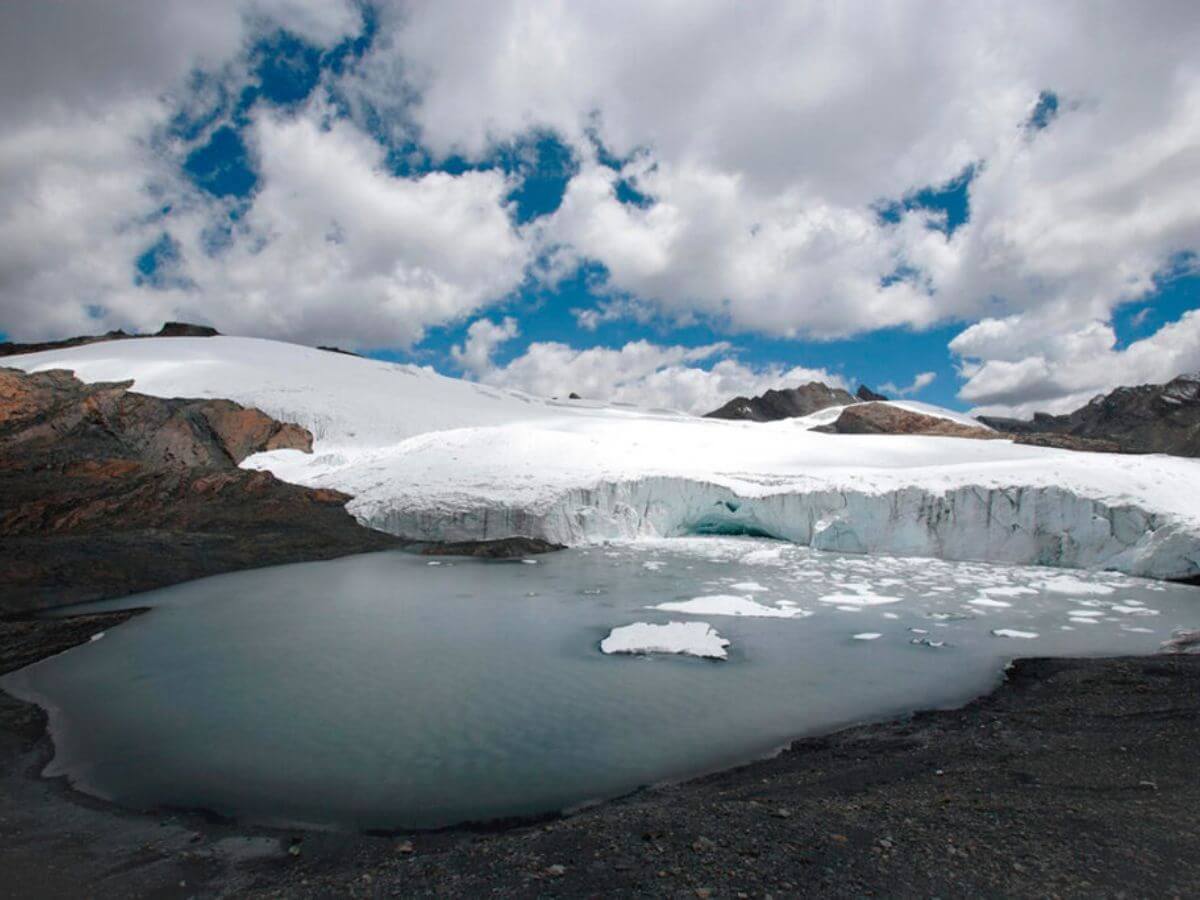
Understanding the geographic scope of Quelccaya helps explain why it remains relatively unknown to mass tourism. The glacier lies at elevations above 5,000 meters, far from urban centers, and access requires navigating remote valleys and high-altitude terrain.
Geographic highlights
- Region: Cusco, Peru
- Nearest settlement: Phinaya
- Hydrological influence: Upper Vilcanota and Sibinacocha basin
- Terrain: High-Andean plateaus, glacial valleys, alpine wetlands
Reaching the glacier typically involves traveling from Cusco to Sicuani, then onward to Phinaya, followed by a high-altitude approach. This logistical complexity has unintentionally protected the area from over-tourism.
Climate Change and the Quelccaya Ice Cap
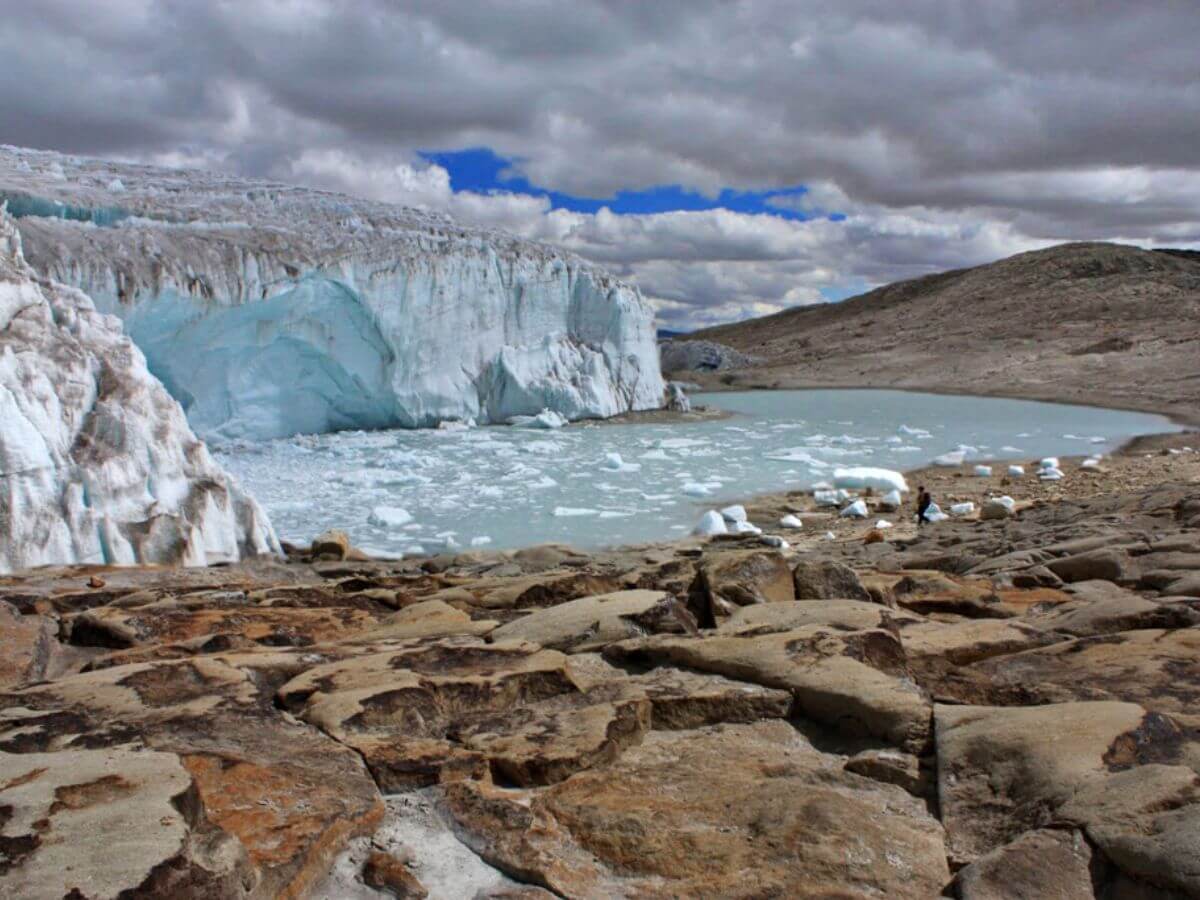
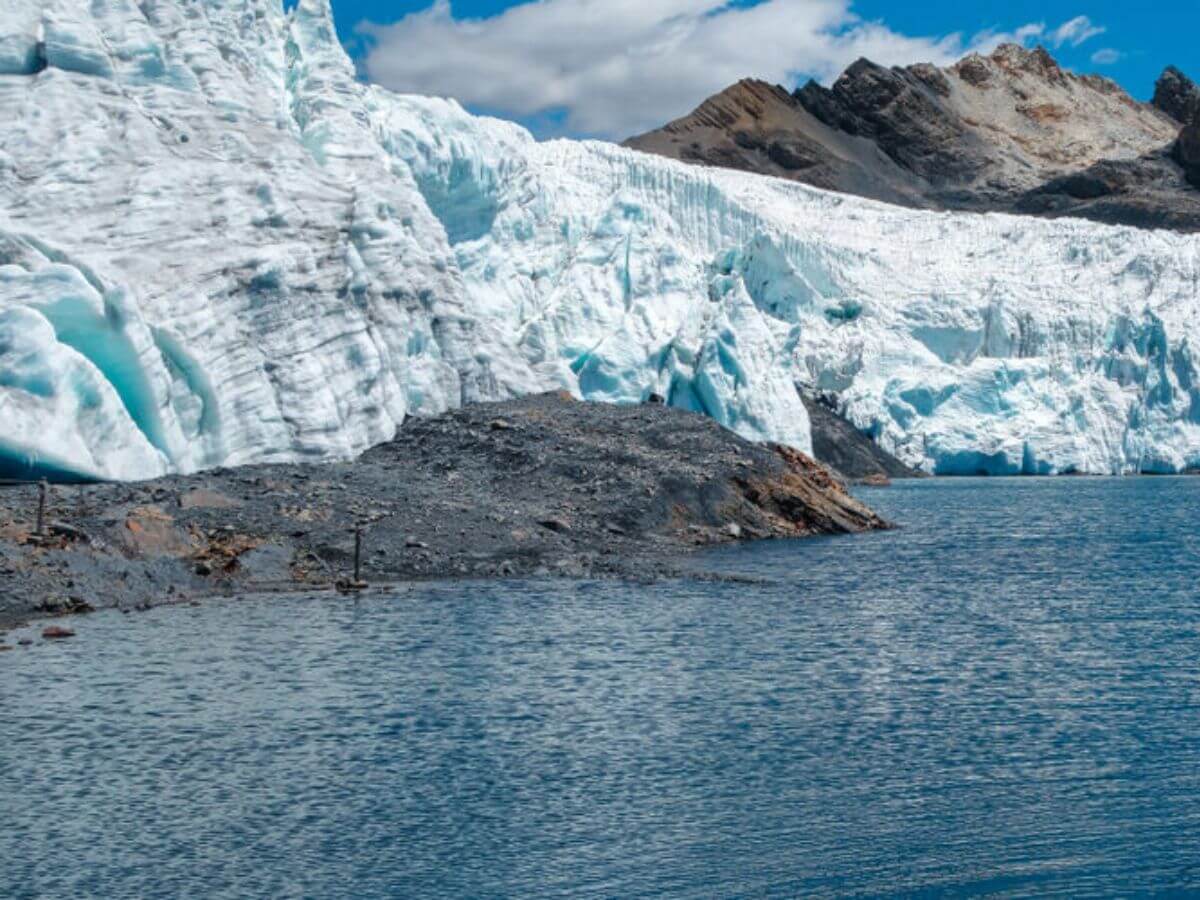
The Quelccaya Ice Cap is one of the most visible examples of how climate change affects tropical glacial systems. Scientific monitoring over recent decades shows a continuous retreat of ice coverage, altering both physical landscapes and water cycles.
Key observed impacts include:
- Shrinking glacial tongues
- Increased seasonal meltwater variability
- Exposure of ancient ice layers
- Changes in downstream water availability
For climate researchers, Quelccaya functions as a benchmark glacier, offering comparative data for other tropical and subtropical glacial regions worldwide.
Local Communities and Climate Adaptation
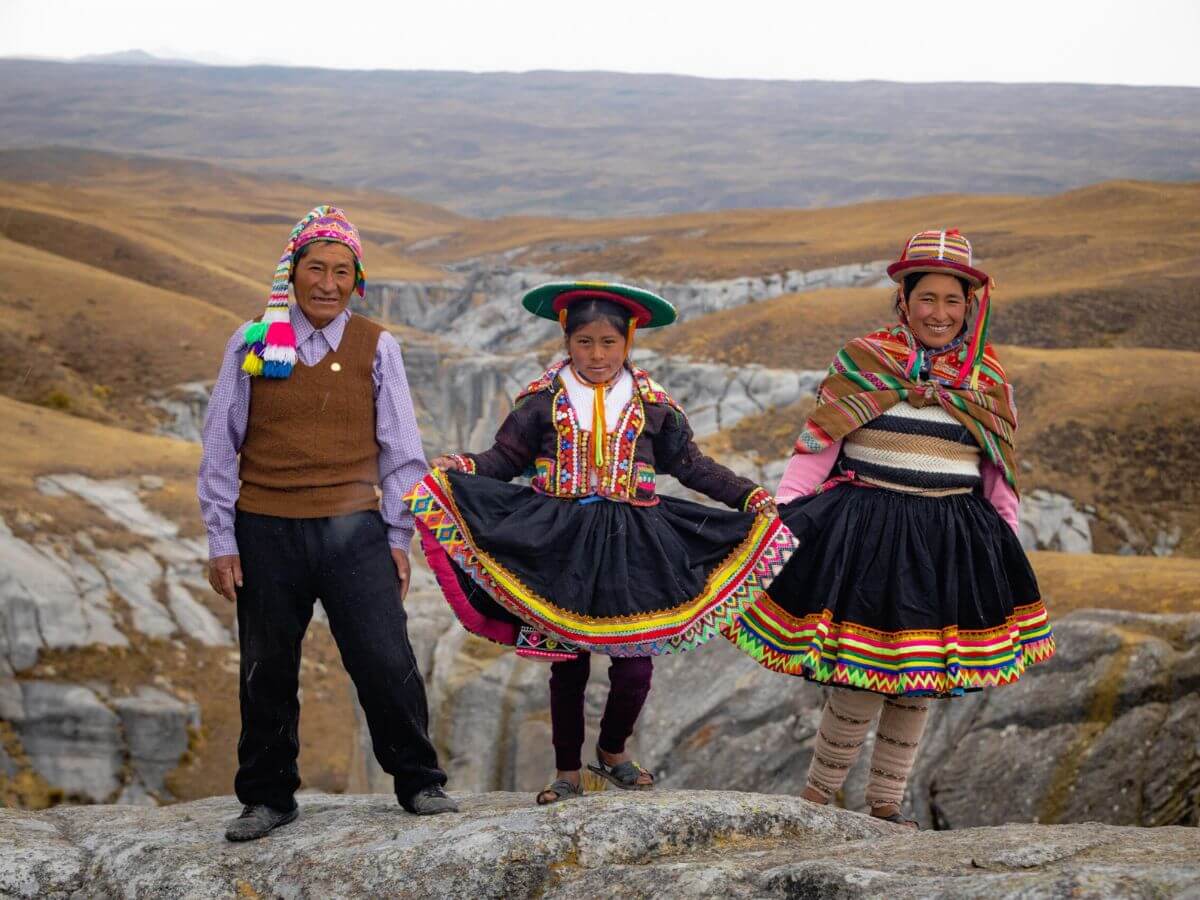
The inhabitants of the Quelccaya region, particularly around Phinaya, experience climate change not as an abstract concept but as a daily reality. Livelihoods based on herding and small-scale agriculture depend heavily on predictable water flows from glacial melt.
Tourism, when carefully managed, has emerged as a complementary activity that helps communities adapt without intensifying environmental pressure.
Quelccaya and the Evolution of High-Altitude Tourism
Unlike iconic sites such as Machu Picchu, Quelccaya is not a mass destination—and that is precisely its value. It represents a form of tourism centered on learning, context, and low-impact exploration.
A Quelccaya Ice Cap tour typically emphasizes:
- Environmental interpretation
- Glacier geomorphology and hydrology
- Cultural context of Andean highlands
- Responsible access to sensitive terrain
For travelers seeking insight rather than spectacle, a Tour Quelccaya or Glacier Quelccaya full day experience aligns with emerging trends in educational and conscious travel.
Hydrology, Glacial Systems, and Regional Importance
From a regional planning perspective, the glacier’s importance extends beyond tourism. Meltwater from Quelccaya feeds key river systems that support downstream valleys, wetlands, and agricultural zones.
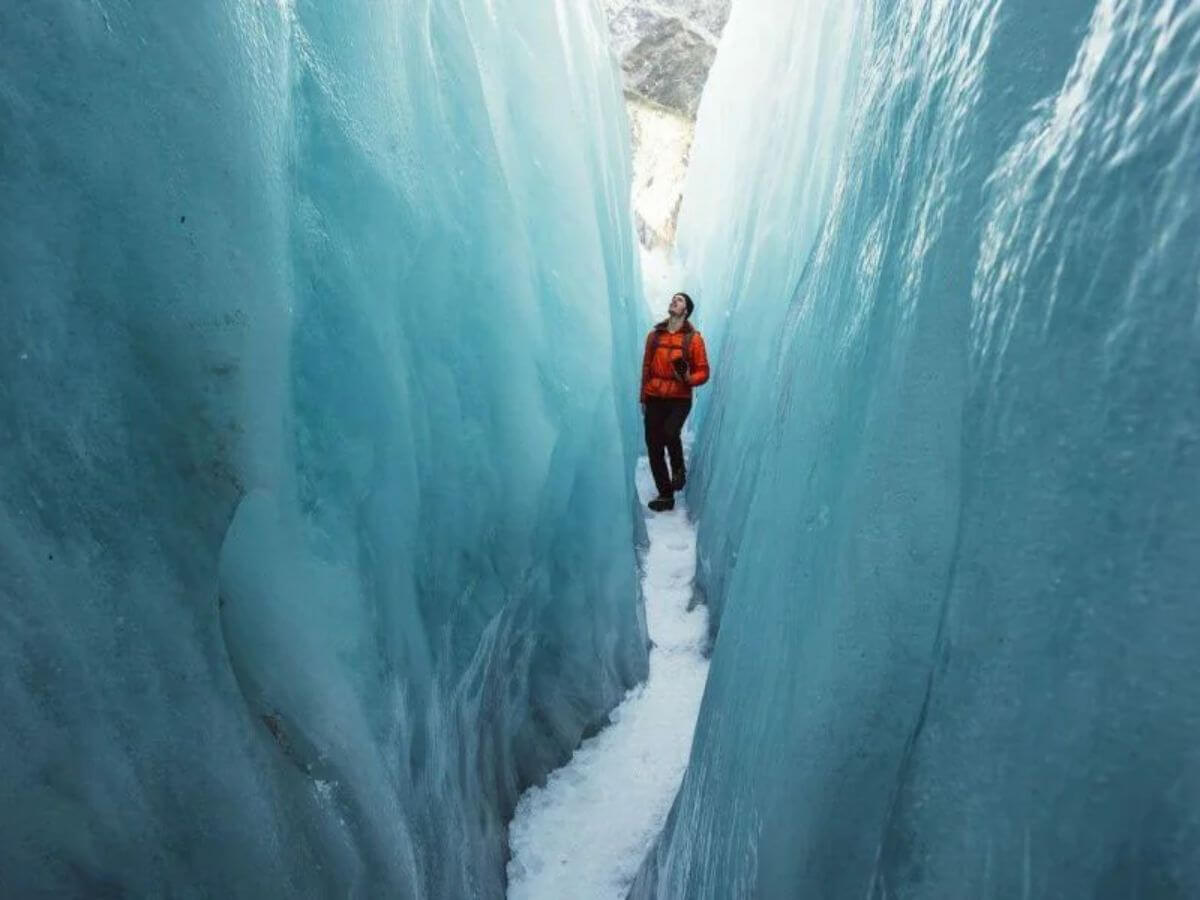
The glacier’s structure includes: Multiple glacial outlets, Seasonal melt patterns and Ice layers recording historical climate data.
These features make Quelccaya central to studies on Andean hydrology and long-term water security.
Biodiversity at the Edge of Ice
Despite extreme conditions, the area surrounding the glacier supports unique high-Andean ecosystems. Native plants, wetlands, and wildlife have adapted to cold temperatures, strong solar radiation, and thin air.
Protecting this biodiversity requires balancing access with conservation—one reason why regulated tourism models are increasingly preferred in the region.
Why Quelccaya Matters for the Future of Tourism
The Quelccaya Ice Cap challenges conventional tourism narratives. It is not easily accessible, visually dramatic yet understated, and deeply tied to global environmental processes. Its relevance lies in:
- Demonstrating climate change in real time
- Encouraging slow, informed travel
- Supporting community-based adaptation
- Redefining value beyond visitor numbers
As tourism destinations worldwide reassess sustainability, Quelccaya offers a case study in how fragile environments can be visited without being consumed.
A Glacier That Redefines Travel Intelligence
The Quelccaya Ice Cap is not simply a destination—it is a lens through which climate, culture, and tourism converge. Its retreat underscores the urgency of environmental responsibility, while its continued accessibility through guided experiences shows how tourism can contribute to awareness rather than degradation.
For readers of Thinkin Tourism, Quelccaya represents a powerful example of how destinations at the margins often hold the most valuable insights for the future of travel.
Frequently Asked Questions
Where exactly is the Quelccaya Ice Cap located?
It is located in the Cusco region of Peru, within the Vilcanota mountain range, near the community of Phinaya.
Why is Quelccaya considered unique among glaciers?
It is the largest tropical ice cap in the world, making it extremely sensitive to climate change.
How do travelers get to the Glacier?
Most routes begin in Cusco, continue to Sicuani and Phinaya, and then proceed by high-altitude approach with a guide.
Is tourism allowed at Quelccaya?
Yes, but it is typically limited to guided, low-impact visits focused on education and safety.
What role does Quelccaya play in climate research?
Its ice layers provide valuable climate records, and its retreat helps scientists track warming trends in tropical regions.