

Share This Article
South America is home to some of the most breathtaking destinations on Earth — from the vast wetlands of the Pantanal to the dramatic peaks of Patagonia. Yet, when seasoned travelers are asked which single country in the continent captures the imagination most completely, one name rises to the top almost every time: Peru.
And it is not hard to understand why. Travel to Peru and you will encounter an extraordinary concentration of wonders: ancient civilizations etched into stone, ecosystems ranging from the Pacific coast to the Amazon rainforest, a culinary scene that has conquered the world, and a warmth of people that makes every visit feel personal. This is not just a destination — it is a transformative experience.
In this article, we explore the key reasons why Peru stands out as one of the best travel destinations in South America, and what makes it an unmissable stop for travelers of every kind.
1. An Archaeological Heritage Unlike Anywhere Else on the Planet
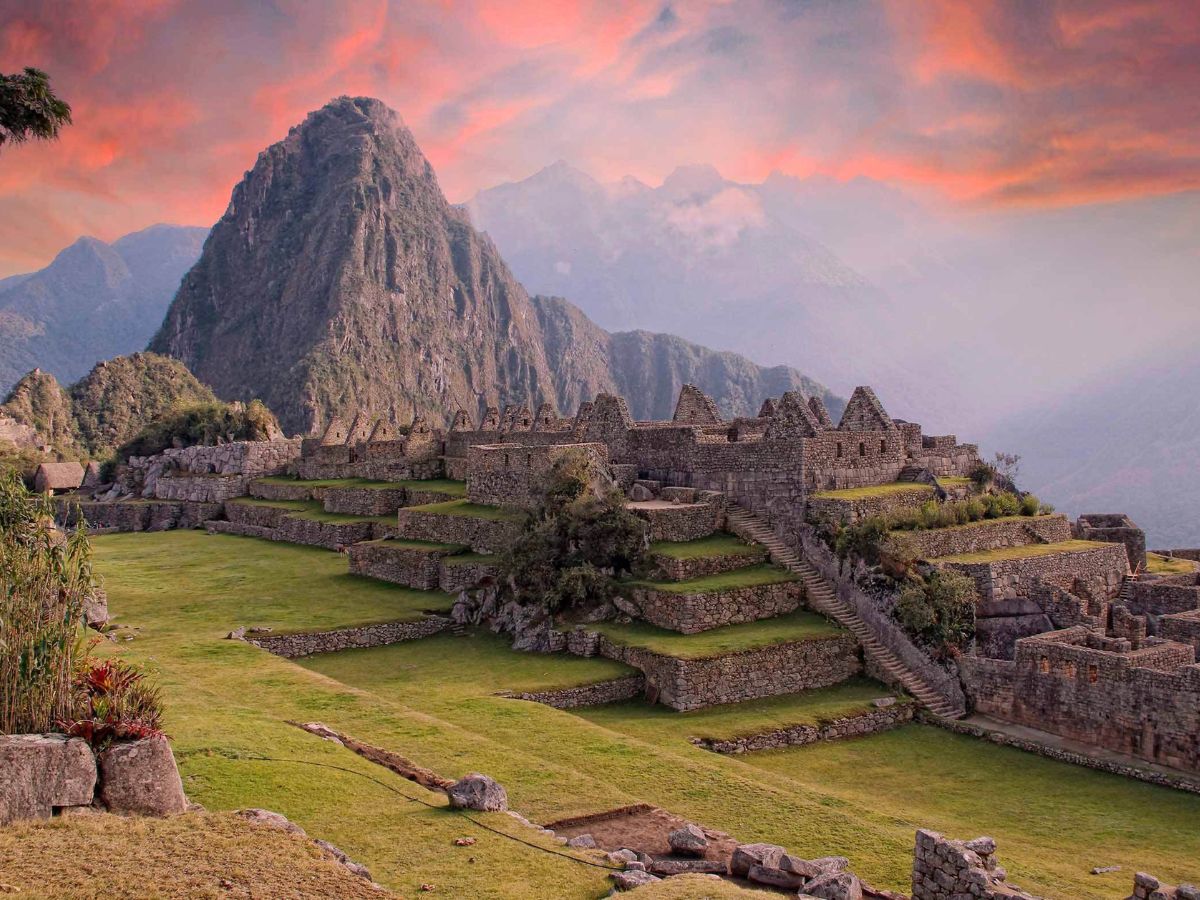
When people think of travel to Peru, the first image that comes to mind is almost always Machu Picchu — and rightfully so. This 15th-century Inca citadel, perched at 2,430 meters above sea level amid clouds and cloud forest, is one of the most iconic archaeological sites in the world and a UNESCO World Heritage Site. But Machu Picchu, as extraordinary as it is, represents only a fraction of Peru’s historical wealth.
Peru has over 100,000 registered archaeological sites, many of which are still being studied and explored. The Nazca Lines — mysterious geoglyphs etched into the desert floor by a pre-Inca civilization — remain one of archaeology’s greatest puzzles. The ancient city of Caral, considered the oldest civilization in the Americas at over 5,000 years old, rewrites the history of human settlement in the Western Hemisphere. Chavín de Huántar, Tiahuanaco, Sipán, the Chan Chan adobe city — the list of Peru’s pre-Columbian wonders is seemingly endless.
Cusco itself, the former capital of the Inca Empire, is a living museum. Its cobblestone streets follow the original Inca urban grid, and colonial Spanish churches stand on perfectly constructed Inca stone foundations. Walking through Cusco is to walk through 500 years of layered history — an experience that no museum exhibition can replicate.
2. Three Worlds in One Country: Peru’s Extraordinary Geographic Diversity
One of the most compelling arguments for choosing Peru as your South American destination is the sheer geographic variety compressed within its borders. In a single trip, travelers can move between radically different ecosystems, each with its own landscapes, wildlife, and cultural rhythms.
The Andes: Mountains That Touch the Sky
The Andean spine of Peru runs the full length of the country, hosting some of the most dramatic mountain scenery on Earth. Snowcapped peaks like Ausangate (6,384 m) and Huascarán (6,768 m, the highest point in Peru) dominate the horizon, while mountain passes, glacial lakes and high-altitude puna grasslands create landscapes of raw, austere beauty. The famous Rainbow Mountain (Vinicunca), with its multicolored mineral stripes, has become one of the most photographed natural wonders in South America.
The Amazon: The Lungs of the Planet
Peru contains a significant portion of the Amazon Basin, one of the most biodiverse ecosystems on Earth. The Manu National Park and the Tambopata Reserve, both accessible from Cusco, offer extraordinary wildlife encounters: giant river otters, pink river dolphins, macaws, caimans, anacondas and hundreds of bird species can be observed in their natural habitat. Travelers seeking nature-based experiences will find few places on the planet that rival the Peruvian Amazon.
The Coast: Deserts, Waves and Lima’s World-Class Scene
Peru’s Pacific coast stretches over 2,400 kilometers and features one of the world’s driest deserts — the Sechura Desert — alongside world-class surf breaks, fishing villages, and the sprawling cosmopolitan capital of Lima. The Ballestas Islands, often called the ‘Peruvian Galápagos,’ host massive colonies of sea lions, penguins, and seabirds just off the coast of Paracas.
3. Peruvian Cuisine: A Gastronomic Revolution That Has Conquered the World
If you need just one reason to travel to Peru, the food alone would be sufficient. Peruvian gastronomy has been voted the World’s Leading Culinary Destination multiple years in a row by the World Travel Awards, and for very good reason. It represents one of the most complex and diverse culinary traditions in the world — a fusion of indigenous Andean ingredients with Spanish, African, Chinese (Chifa), Japanese (Nikkei), and Italian influences accumulated over five centuries.
Ceviche — fresh fish cured in lime juice with chili, onion and cilantro — is perhaps Peru’s most internationally recognized dish, but it is just one entry in a spectacular culinary catalog. Lomo saltado (stir-fried beef with tomatoes and French fries), ají de gallina (shredded chicken in creamy yellow pepper sauce), cau cau, causa limeña, tiradito, anticuchos (grilled beef heart skewers), and the creamy suspiro de limeña dessert are all dishes that demand to be tried.
Lima is home to some of the best restaurants in Latin America, including world-renowned establishments that work exclusively with native Peruvian ingredients. But the most authentic gastronomic experiences often happen at local markets, humble cevicherías by the beach, and street stalls serving piping-hot anticuchos at midnight. In Cusco, regional specialties like chicharrón, estofado, and rocoto relleno pair perfectly with a glass of chicha morada or a locally brewed craft beer.
4. A Living Indigenous Culture That Breathes Through Every Corner
What truly sets Peru apart from many other heritage destinations in the world is that its ancient culture is not frozen in history — it is alive. Millions of Peruvians speak Quechua, the language of the Incas, as their first language. Indigenous communities in the Sacred Valley, the Andes, and the Amazon maintain traditions, ceremonies, agricultural practices and textile craftsmanship that have been passed down for generations.
The Inti Raymi festival in Cusco (celebrated every June 24th), the Corpus Christi processions, the Qoyllur Riti pilgrimage to a glacier at over 5,000 meters, and the colorful Paucartambo festival are all expressions of a culture that has survived conquest, colonization and modernization with remarkable resilience and pride.
Visiting local weaving cooperatives, sharing a meal with a Quechua family, learning to prepare chicha, or simply sitting in the Cusco market listening to the exchange in a mix of Spanish and Quechua — these are the kinds of encounters that remind you that travel is, at its best, a conversation between cultures.
5. Adventure Travel Opportunities for Every Level of Thrill-Seeker
Peru is a paradise for adventure travelers. The diversity of terrain translates directly into an extraordinary variety of outdoor activities, from world-class trekking routes to white-water rafting and sandboarding on desert dunes.
Trekking: The Inca Trail and Beyond
The Classic Inca Trail (4 days, 43 km) is one of the most iconic trekking routes in the world, combining high-altitude mountain scenery with a series of Inca ruins culminating in the Sun Gate above Machu Picchu at sunrise. Permits are strictly limited to 500 people per day and sell out months in advance.
For those who prefer alternatives, the Salkantay Trek (5 days) passes beneath the glaciated peak of Mount Salkantay through cloud forest and subtropical jungle. The Ausangate Circuit takes trekkers around one of Peru’s most sacred mountains through remote, breathtaking high-altitude landscapes. The Colca Canyon Trek leads into one of the world’s deepest canyons. And the Inca Jungle Trail combines trekking with cycling, zip-lining and white-water rafting for the more adrenaline-oriented traveler.
Other Adventure Activities
Beyond trekking, Peru offers world-class white-water rafting on the Urubamba and Apurímac rivers, paragliding over the Lima cliffs, surfing on the northern coast near Máncora and Huanchaco (home to caballitos de totora, one of the oldest watercraft in the world), sandboarding in the Huacachina oasis, and multi-day Amazon jungle expeditions. The Sacred Valley around Cusco is also an increasingly popular destination for mountain biking and climbing.
6. Exceptional Value for Money Across All Travel Styles
Compared to many other world-class travel destinations, Peru offers outstanding value for money. Budget travelers can get by comfortably on $40–60 USD per day, covering decent guesthouse accommodation, local meals, public transport and a tour or two. Mid-range travelers spending $100–180 USD per day will enjoy 3-star hotels, guided tours with certified professionals and comfortable restaurant dining. Even high-end luxury travel — boutique lodges, private tours, premium train service — is considerably more affordable than comparable experiences in Western Europe or North America.
The local currency, the Peruvian Sol, means that everyday expenses such as food at local restaurants, public transportation, and artisan markets are very accessible. Eating a full meal at a local market restaurant (menú del día) typically costs between $2 and $5 USD — and the food is often extraordinary.
7. Cusco: The Perfect Base for Exploring the Heart of the Inca World
If you travel to Peru for any significant amount of time, Cusco will almost certainly be the epicenter of your journey — and it is easy to see why. As the ancient capital of the Inca Empire (Tawantinsuyu) and now a UNESCO World Heritage City, Cusco is a living fusion of pre-Columbian and colonial history, set against a backdrop of Andean peaks at 3,400 meters above sea level.
The city itself rewards exploration: the Plaza de Armas with its ornate Cathedral and Jesuit Church, the Qorikancha (Temple of the Sun), the imposing fortress of Sacsayhuamán, the white-washed artisan neighborhood of San Blas, and the vibrant San Pedro Market are all within walking distance. Cusco is also the gateway to the Sacred Valley, Machu Picchu, Rainbow Mountain, the Tambopata Amazon and the Colca Canyon.
To make the most of everything Cusco has to offer, working with a reliable local operator is essential. A professional travel agency in cusco like Yeska Tours brings local expertise, certified bilingual guides, and a genuine passion for showcasing the best of the region to travelers from around the world. Whether you are looking for a private city tour, a guided hike to Rainbow Mountain, or a full multi-day circuit across the Sacred Valley and Machu Picchu, having an experienced local team makes a tangible difference in the quality of your experience.
8. Accessibility and Infrastructure: Easier to Explore Than You Think
A common misconception among first-time travelers is that visiting Peru requires complex logistics or rugged adventure preparation. While the country certainly rewards those who venture off the beaten path, the main tourist circuit — Lima, Cusco, Sacred Valley, Machu Picchu, Lake Titicaca — is extremely well developed and accessible.
Lima’s Jorge Chávez International Airport receives direct flights from major hubs in North America, Europe, and across South America. Domestic flights between Lima and Cusco take around 1 hour 15 minutes and are operated by multiple airlines daily. The train system connecting Cusco to Machu Picchu is reliable, scenic, and comfortable. In the cities, ride-hailing apps like Uber, Cabify and InDriver operate safely, and most hotels and restaurants in tourist areas offer English-language service.
For travelers who want a seamless experience without the hassle of navigating logistics on their own, partnering with a local agency takes all the guesswork out of the equation — from airport transfers and hotel bookings to entrance tickets and guided experiences.
9. Experiences That Exist Nowhere Else: Lake Titicaca, Nazca Lines and Colca Canyon
Beyond the Inca Trail and Machu Picchu, Peru offers a series of experiences that are truly one-of-a-kind in the world.
Lake Titicaca, straddling the border between Peru and Bolivia at 3,800 meters above sea level, is the highest navigable lake in the world. A visit to the Uros Floating Islands — built entirely from totora reeds by communities that have lived on the water for centuries — is a cultural encounter of extraordinary depth. Nearby Isla Taquile, with its UNESCO-recognized textile tradition and magnificent views of the lake, offers one of the most unique homestay experiences in South America.
The Nazca Lines, a series of enormous geoglyphs depicting animals, plants and geometric patterns on a desert plateau south of Lima, continue to baffle researchers. Visible in their entirety only from the air, a small aircraft flight over the Nazca Desert is one of the most thought-provoking experiences available to travelers anywhere in the world.
The Colca Canyon, more than twice the depth of the Grand Canyon, is where the great Andean condor — with a wingspan of up to 3.2 meters — can be observed riding thermal currents at the Cruz del Cóndor viewpoint every morning. It is a wildlife spectacle that leaves even the most well-traveled visitors speechless.
10. The People: Peru’s Most Valuable and Underrated Asset
No article about why Peru is one of the best travel destinations in South America would be complete without mentioning the people. Peruvians are, by and large, warm, proud of their heritage, and genuinely delighted to share it with visitors from around the world.
In Cusco, you will encounter locals dressed in traditional textiles who offer a smile rather than demand payment for a photograph. In rural markets, vendors will insist you taste before you buy. In the Amazon, indigenous guides will share centuries-old plant knowledge with genuine generosity. These human moments — impossible to plan, impossible to manufacture — are what transform a trip to Peru from a memorable vacation into a life-changing journey.
Planning Your Trip to Peru: Essential Tips Before You Go
Best Time to Visit
The dry season (May to October) is the best time to travel to Peru’s Andean and highland regions. Clear skies, stable temperatures and dry trails make it ideal for trekking and sightseeing. This is also peak tourist season, so book accommodations, Inca Trail permits and Machu Picchu entry tickets at least 3–4 months in advance. The rainy season (November to April) brings lush, vibrant landscapes and lower prices, but some trekking routes may be affected by heavy rainfall.
Altitude Acclimatization
Altitude sickness (soroche) is a real consideration when visiting Cusco (3,400 m) or the altiplano. Plan a 24–48 hour acclimatization day upon arrival: rest, stay hydrated, avoid alcohol, eat light, and drink coca leaf tea (legal, widely available, and genuinely effective). Consult your doctor about acetazolamide if you have a history of altitude sensitivity.
Visas and Entry Requirements
Citizens of the United States, Canada, the United Kingdom, the European Union, Australia, and most Latin American countries do not require a visa to enter Peru as tourists. A valid passport is sufficient for stays of up to 90 days (sometimes 183 days). Always verify the latest entry requirements with your country’s embassy before traveling.
Health and Safety
Travel insurance covering medical expenses and trip cancellation is strongly recommended. If you plan to visit the Amazon, the yellow fever vaccine is highly recommended and may be required depending on your onward destination. Hepatitis A, typhoid, and standard travel vaccines should also be up to date. Do not drink tap water — stick to bottled or filtered water at all times.
Why Choosing a Local Expert Makes All the Difference When You Travel to Peru
Peru rewards in-depth exploration. The kind of knowledge that turns a visit to an Inca ruin into a profound cultural epiphany, or that knows which trail offers the most spectacular sunrise view, is knowledge built over years of living and working in the region. That is exactly what a trusted local travel operator brings to the table.
Yeska Tours is a specialist travel agency in cusco with deep roots in southern Peru. Their team offers a comprehensive range of services tailored to international travelers: Sacred Valley full-day tours, Machu Picchu guided visits, Rainbow Mountain treks, Cusco city tours, private tourist transportation, multi-day circuits and custom itineraries for families, couples, groups and solo adventurers. What sets Yeska Tours apart is their combination of local knowledge, bilingual certified guides, transparent pricing and a genuine commitment to delivering authentic, memorable experiences.
In a destination as rich and layered as Peru, having the right people by your side is not a luxury — it is the smartest investment you can make in your trip.
Final Thoughts: Peru Is Not Just a Destination — It Is an Experience That Stays With You Forever
South America has no shortage of magnificent destinations. Argentina has Patagonia and Buenos Aires. Brazil has the Amazon, the Pantanal and Rio de Janeiro. Colombia has the Caribbean coast and the coffee region. Chile has the Atacama and Torres del Paine. All of them are worth visiting.
But Peru occupies a unique space in the imagination of travelers — and in the memory of those who have been there. It is a place where ancient history lives and breathes in the present, where landscapes shift from desert to jungle to high-altitude grassland within hours, where the food will surprise you every single day, and where the people make you feel, despite the distance, genuinely at home.
If you are ready to travel to Peru and want to ensure every detail of your journey in Cusco and the surrounding region is expertly handled, reach out to the team at Yeska Tours — a trusted travel agency in cusco that will help you turn a great trip into an unforgettable one.